If you’re one of the many seniors dealing with joint pain, you’re not alone. This is a common struggle, and thankfully, there are natural remedies out there that can help. Whether it’s arthritis, or just the wear and tear of life, finding options for relief is key. I’ve chatted with friends and neighbors who’ve tried different methods, and I’ve gathered ten effective options for you to consider.
1. Turmeric: The Golden Spice
Turmeric is more than just a fantastic spice; it’s packed with curcumin, which has anti-inflammatory properties. My neighbor told me she started adding turmeric to her morning smoothies, and, believe it or not, she noticed less stiffness in her knees. It’s super easy to incorporate, either as a spice in your meals or as a supplement. Just remember to pair it with black pepper for better absorption. Who knew a little spice could go such a long way?
2. Omega-3 Fatty Acids
Omega-3s are like the superheroes of the food world. They’re found in fish like salmon and in flaxseeds. Studies show they can help reduce joint pain and stiffness. If fish isn’t your thing, there are plenty of supplements available. Just make sure to get a high-quality one. I sometimes wonder how my mom managed to resist sardines for so long… there are lots of tasty ways to get those healthy fats!
3. Ginger: Not Just for Tea
Ginger is another powerhouse. Known for its anti-inflammatory properties, it can be useful for reducing joint pain. You can make ginger tea or use it in cooking. I’ve found that a warm cup of ginger tea can soothe more than just a sore throat—it’s comforting and a great way to enjoy its benefits.
4. Epsom Salt Baths
Epsom salt baths can feel heavenly. The magnesium in the salt is absorbed through your skin, helping relax muscles and reduce pain. I love ending my day with a warm bath; it’s like my little oasis. Just add a cup or two of Epsom salts to your bath and soak. It’s a simple ritual that many swear by.
5. Exercise: Gentle Movements Matter
Now, I know exercise can feel like a four-letter word when you’re in pain. But gentle movements really are important. Low-impact activities like walking, swimming, and yoga can help keep joints flexible. Just make sure to listen to your body; it’s about moving without pushing too hard. You can’t outrun your age—so just find what feels good!
6. Heat and Cold Therapy

Applying heat or cold can bring some immediate relief. Heat helps increase blood flow, which can soothe stiff joints, while cold therapy can numb sharp pain. I’ve had great luck using a warm towel or a bag of frozen veggies—just don’t forget to wrap it in a cloth! It’s quite the multitasking snack, too!
7. Herbal Remedies
Some herbal remedies, like boswellia and devil’s claw, have been used for years to help with joint pain. These might not be as familiar, but they’re worth exploring. Again, check in with your doctor to see if they fit into your routine. A little herbal magic never hurt anyone, right? Just remember—in moderation!
8. Acupuncture: A Needle’s Touch
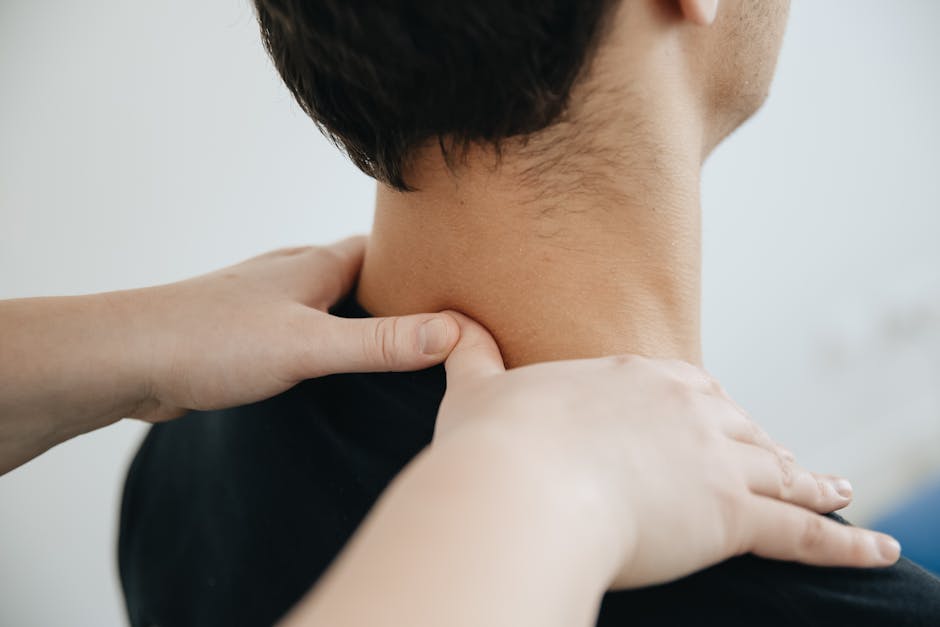
Acupuncture may sound intimidating, but many swear by it for pain relief. Small needles are inserted into specific points, and while it can take a few sessions to notice a difference, some seniors have found it transformative. Just imagine feeling a little lighter after a session—it can do wonders for your mood as well!
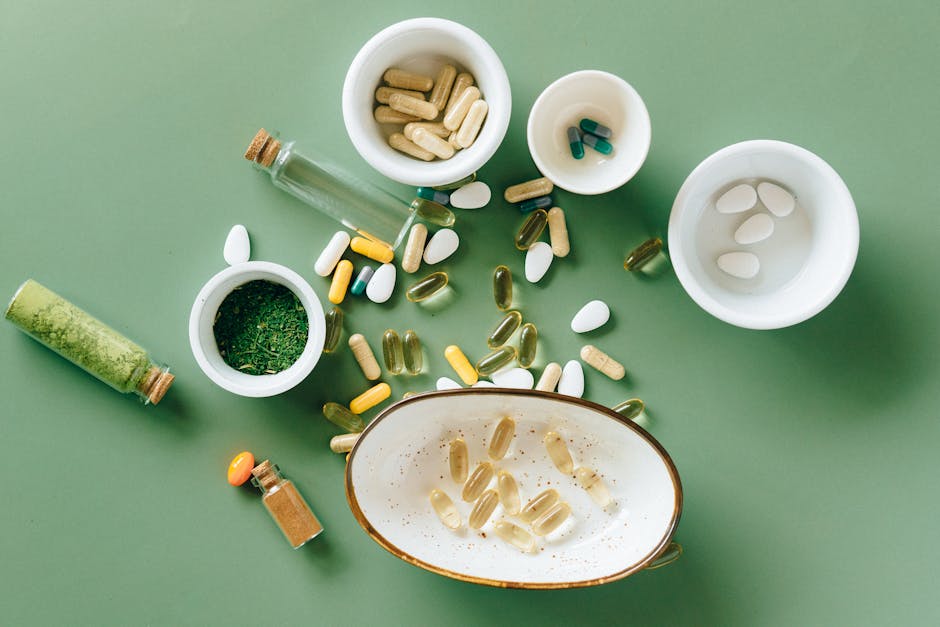
Photo by Nataliya Vaitkevich on Pexels If you’re looking for a way to cope with pain, mindfulness and meditation can be surprisingly effective. Stress can make pain feel worse, and taking time to focus on your breathing can help calm your mind. I once tried meditating while sitting on my porch. It was peaceful—much easier to deal with life’s little aches after that moment of stillness.
10. Nutrition: Fuel Your Body Right
10. Nutrition: Fuel Your Body Right
What you eat really can affect your joints. A diet rich in fruits, vegetables, lean proteins, and whole grains can support overall health. Try to limit processed foods and sugar—your joints will thank you later. Think of food as more than just sustenance; it’s fuel for your body. Your joint pain doesn’t have to dictate what you eat, but it can inspire better choices.
It’s easy to feel overwhelmed with so much information out there on managing joint pain. Remember, not every option will work for everyone. It’s all about trial and error. And hey, listen to your body—it will usually guide you in the right direction!
If you want to explore more natural health tips, check out this link for additional insights. Also, I recommend reading articles from trusted sources like Mayo Clinic to stay informed.
Always consult your doctor before starting any new supplement or exercise program. Individual results may vary.