What is Osteoarthritis?
Osteoarthritis joint pain is a common concern among aging Americans. This condition affects millions and can significantly impact one’s quality of life. Osteoarthritis is a degenerative joint disease characterized by the breakdown of cartilage, which cushions the ends of bones in your joints. As cartilage deteriorates, bones may begin to rub against each other, leading to pain, swelling, and reduced motion.

Understanding the Symptoms of Osteoarthritis Joint Pain
It’s essential to recognize the symptoms of osteoarthritis joint pain early. Common signs include stiffness, especially after resting, joint pain during or after movement, and tenderness when pressure is applied to the affected area. You might also experience a grating sensation, bone spurs, and loss of flexibility.
My neighbor, who’s been living with osteoarthritis for years, often shares how weather changes can exacerbate her symptoms. Have you ever noticed your joints acting up when a storm is coming? It’s these little changes that remind us how sensitive our bodies can be.
The Impact of Aging on Joint Health
Aging naturally affects joint health. As we grow older, the water content of cartilage decreases, making it less resilient. This process, coupled with years of wear and tear, can lead to osteoarthritis joint pain. Many people report that their symptoms become more pronounced as they age, affecting their ability to perform everyday tasks.
While aging is unavoidable, understanding how it impacts joint health can help you take proactive steps. Regular low-impact exercises, maintaining a healthy weight, and staying informed about joint-friendly diets can play a crucial role in managing symptoms.
Managing Osteoarthritis Joint Pain

Managing osteoarthritis joint pain often involves a combination of lifestyle changes, medications, and therapies. Regular physical activity can help maintain joint function and reduce pain. Swimming and cycling, for instance, are excellent low-impact exercises that don’t put too much strain on your joints.
Weight management is another critical aspect. Carrying excess weight puts extra pressure on weight-bearing joints, like the knees and hips. Many people report feeling an improvement in their symptoms after losing even a small amount of weight.
Additionally, non-prescription pain relief creams are popular among those seeking immediate relief. For more insights on these products, consider reading A Comprehensive Review of the Top Joint Pain Relief Creams on the Market.
Exploring Treatment Options
While there is no cure for osteoarthritis, various treatment options can help manage symptoms. Over-the-counter pain relievers, such as acetaminophen or ibuprofen, may support symptom relief. In some cases, doctors might recommend prescription medications or even injections for more severe pain.
Physical therapy can also be beneficial. It focuses on strengthening the muscles around affected joints, improving flexibility, and reducing pain. Some patients explore alternative therapies such as acupuncture or supplements, though it’s essential to discuss these options with a healthcare professional.
For more comprehensive information, the Mayo Clinic offers an excellent resource on managing osteoarthritis symptoms. You can explore it here.
Living Well with Osteoarthritis
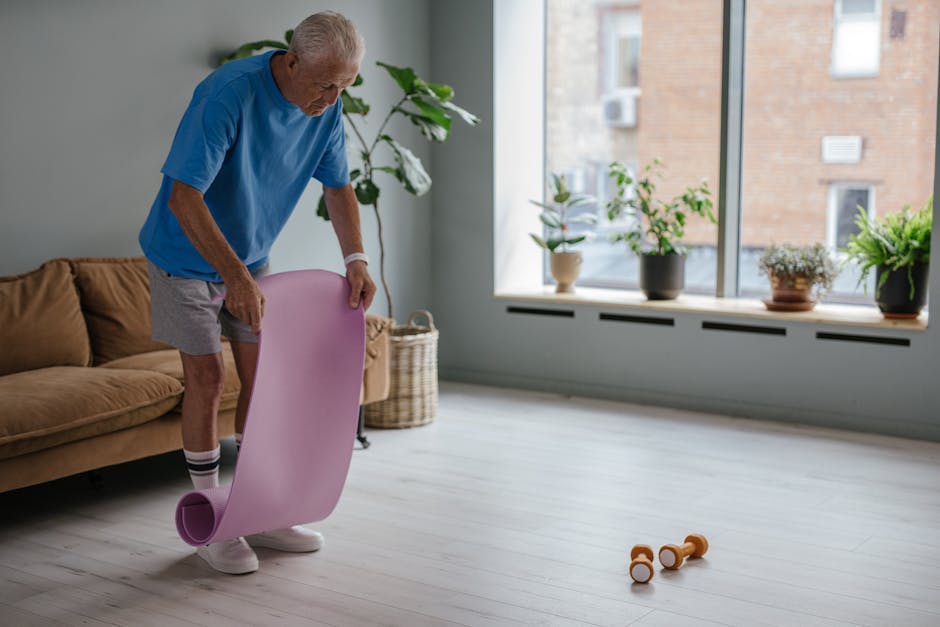
Living with osteoarthritis joint pain can be challenging, but many find that staying positive and active helps. Joining support groups or connecting with others who understand your situation can provide emotional support and practical advice.
Simple adjustments in daily routines can also make a significant difference. Using assistive devices, such as canes or shoe inserts, can help reduce stress on joints. Many people also find relief through warm baths or heating pads, which can soothe aching joints.
Ultimately, it’s about finding a balance that works for you. What strategies have you found helpful in managing your symptoms?
Always consult your doctor before starting any new supplement or exercise program. Individual results may vary.