Understanding Arthritis and Exercise
Arthritis can be a challenging condition, especially for seniors who want to maintain an active lifestyle. My neighbor, who struggles with arthritis, once shared that finding the right exercise routine can make a huge difference in managing discomfort. But what does a joint-friendly exercise routine look like for seniors with arthritis?
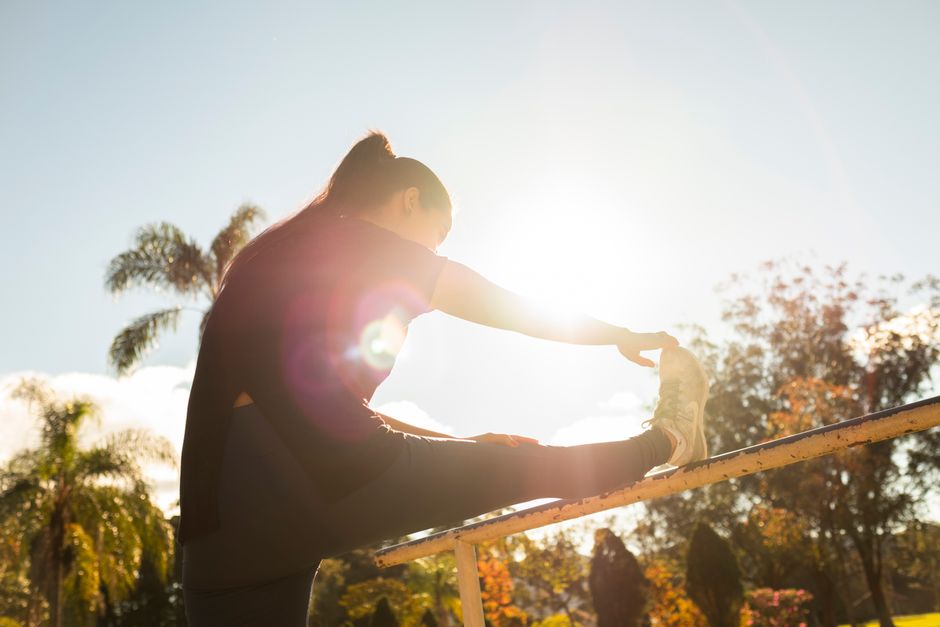
It’s essential to understand that while arthritis can limit mobility, physical activity may support joint health and improve overall well-being. According to research, engaging in the right types of exercises can help maintain flexibility, build strength, and reduce joint stress.
Arthritis encompasses over 100 different conditions, with osteoarthritis and rheumatoid arthritis being the most common among seniors. Each type affects the joints differently, which is why a personalized exercise approach is crucial. Understanding the specific type of arthritis you have can guide you in tailoring an exercise routine that fits your needs.
Exercise not only supports physical health but also mental well-being. It can alleviate symptoms of depression and anxiety, which are often associated with chronic conditions like arthritis. This holistic benefit underscores the importance of incorporating physical activity into daily life, even when facing joint challenges.
Why Exercise Matters for Seniors with Arthritis
Exercise is crucial for seniors with arthritis because it helps maintain joint function and mobility. It might seem counterintuitive to move when your joints ache, but staying active can actually ease stiffness and pain. Many seniors find that regular exercise leads to improved mood and energy levels.
Additionally, exercise can help manage weight, which is a significant factor in joint stress. Less weight means less pressure on your joints, especially the knees, hips, and feet. For seniors with arthritis, this can mean less pain and more freedom of movement.
Engaging in regular physical activity can also enhance cardiovascular health, which is important as the heart and lungs work more efficiently. This leads to improved circulation, delivering essential nutrients to the joints and reducing inflammation. Moreover, exercise strengthens the bones, reducing the risk of osteoporosis, a condition that often accompanies arthritis in seniors.
Exercise also fosters social connections, which can be particularly valuable for seniors. Participating in group classes or activities allows for social interaction, reducing feelings of isolation and promoting a sense of community and support.
Designing a Joint-Friendly Exercise Routine
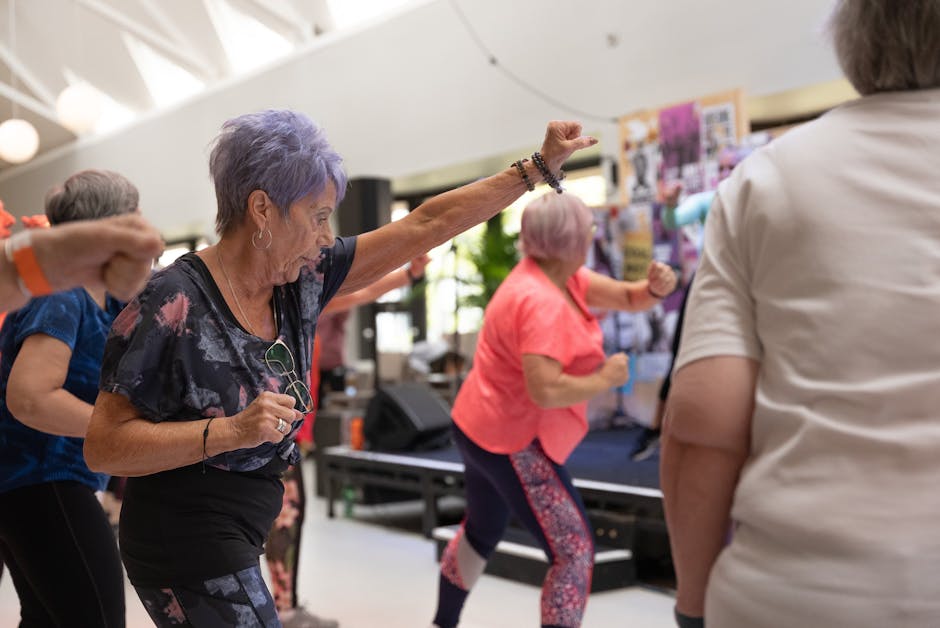
When designing a joint-friendly exercise routine, it’s important to focus on low-impact activities. These exercises are gentle on the joints and can include activities like walking, swimming, and cycling. They help maintain cardiovascular health without putting too much stress on the body.
Incorporating range-of-motion and flexibility exercises is also beneficial. Stretching exercises can help maintain joint flexibility, reducing the risk of stiffness. Balance exercises can prevent falls and improve stability, which is crucial for seniors who may already be dealing with mobility issues.
It’s advisable to start each session with a warm-up, which prepares the body for more strenuous activity. Gentle movements like arm circles or marching in place can increase blood flow to the muscles and reduce the risk of injury. Cool-down periods are equally important, allowing the heart rate to gradually return to normal and preventing muscle soreness.
Consistency is key when designing an exercise routine. Aim for at least 150 minutes of moderate-intensity exercise per week, as recommended by health organizations. This can be broken down into manageable sessions throughout the week, allowing flexibility and adaptability based on how your body feels each day.
Incorporating Strength Training
Strength training is an important component of any exercise routine, especially for seniors with arthritis. Building muscle strength can support and protect joints, potentially reducing pain. However, it’s important to start slowly and use proper form to avoid injury.
You might wonder, “How can I safely incorporate strength training?” Consider using resistance bands or light weights, and focus on exercises that target major muscle groups. Always listen to your body and consult a professional if you’re unsure about your form or the appropriate weight to use.
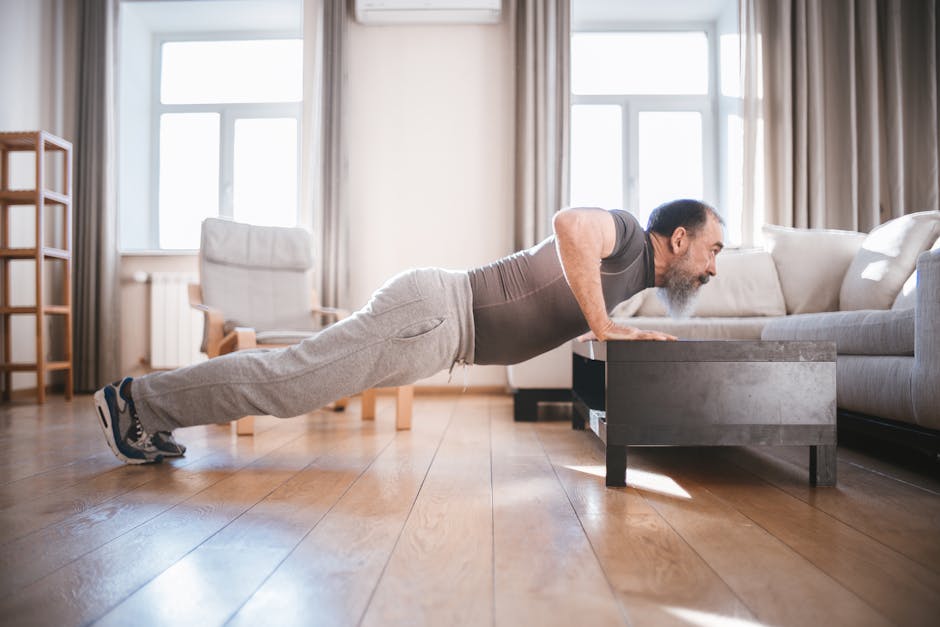
For beginners, consider exercises such as seated leg lifts, wall push-ups, and seated rows with resistance bands. These exercises can be performed at home and require minimal equipment. As you progress, gradually increase resistance or repetitions to continue building strength. Remember to breathe properly during each exercise and maintain a steady pace to avoid strain.
It can be beneficial to work with a physical therapist or a certified fitness instructor who specializes in working with seniors. They can provide guidance on proper techniques and tailor exercises to accommodate specific limitations or areas of concern.
Recommended Exercises for Seniors with Arthritis
There are several exercises that are particularly beneficial for seniors with arthritis. Walking is one of the easiest and most accessible forms of exercise. It can be done anywhere and requires no special equipment. Start with short distances and gradually increase your walking time as your endurance improves.
Water exercises, such as water aerobics or swimming, are excellent choices because the water supports your body and reduces joint stress. Many people report feeling a sense of freedom in the water that they don’t experience on land.
For those who prefer a more structured routine, consider a yoga or tai chi class. These practices focus on gentle movements and breathing, which can enhance flexibility and reduce stress.
Chair yoga is a great alternative for those who may find traditional yoga poses challenging. It allows individuals to perform modified poses while seated, offering the benefits of yoga without the strain on the joints.
Cycling, whether on a stationary bike or outdoors, is another low-impact exercise that can be adjusted to fit individual fitness levels. It provides a cardiovascular workout while being gentle on the knees and hips.
Staying Motivated and Consistent
Staying motivated can be tough, especially when arthritis flares up. One way to stay on track is to set realistic goals and celebrate small victories. Whether it’s walking an extra block or attending a new class, every step counts towards better health.
Another effective way to maintain motivation is to exercise with a friend or join a group. Sharing the experience can make it more enjoyable and provide a sense of accountability. Plus, having someone to talk to can make the time fly by.
Keeping a journal or log of your exercise activities can help track progress and identify patterns. It can be motivating to see how far you’ve come and to set new goals based on past achievements. Consider marking milestones with small rewards to acknowledge your dedication and hard work.
Varying your routine can also prevent boredom and keep you engaged. Explore different activities and find what brings you joy. Whether it’s dancing, gardening, or taking a scenic walk, incorporating variety ensures that exercise remains an enjoyable part of your life.
Precautions and Considerations
While exercise is beneficial, it’s crucial to listen to your body and not push too hard. If you experience increased pain or swelling, it may be a sign to modify your routine. Always consult with a healthcare provider before starting any new exercise program, especially if you have existing health conditions.
For additional information on managing arthritis and understanding joint pain, visit Understanding Osteoarthritis Joint Pain in Aging Americans. Another resource that may be helpful is the Mayo Clinic’s page on arthritis.
Wearing appropriate footwear and using supportive equipment can further reduce the risk of injury. Consider investing in shoes that provide good arch support and cushioning to absorb impact. Additionally, using walking aids or supportive braces can offer extra stability during exercise.
Always consult your doctor before starting any new supplement or exercise program. Individual results may vary.