Arthritis is a term that many people associate with aging, and for good reason. One of the most prevalent forms of arthritis is osteoarthritis, which affects millions of seniors across the globe. This degenerative joint disease can significantly impact daily life, making understanding its symptoms and treatment options crucial for maintaining a high quality of life.
What is Osteoarthritis?
Osteoarthritis occurs when the protective cartilage that cushions the ends of the bones wears down over time. This can lead to pain, swelling, and decreased mobility in the affected joints. Many people report that it commonly affects weight-bearing joints such as the knees, hips, and spine, but it can also strike smaller joints in the hands and fingers. According to Mayo Clinic, understanding the causes of joint discomfort is the first step toward effective management.
As we grow older, our bodies undergo various changes, and the risk of developing arthritis increases. My neighbor told me how she started feeling stiffness in her knees after years of gardening. It’s a common story; even minor wear and tear over the years can lead to osteoarthritis.
Symptoms of Osteoarthritis
Recognizing the symptoms of osteoarthritis is the first step toward managing the condition. The most noticeable signs include joint pain that worsens with activity and improves with rest. Stiffness, especially in the morning or after sitting for long periods, is another common complaint.
Other symptoms may include swelling around the joints, a grating sensation when moving the affected joint, and bone spurs—small bony growths that can develop around the joint. If you or someone you know is experiencing these symptoms, it’s important to consult a healthcare professional for a proper diagnosis.
Treatment Options for Osteoarthritis
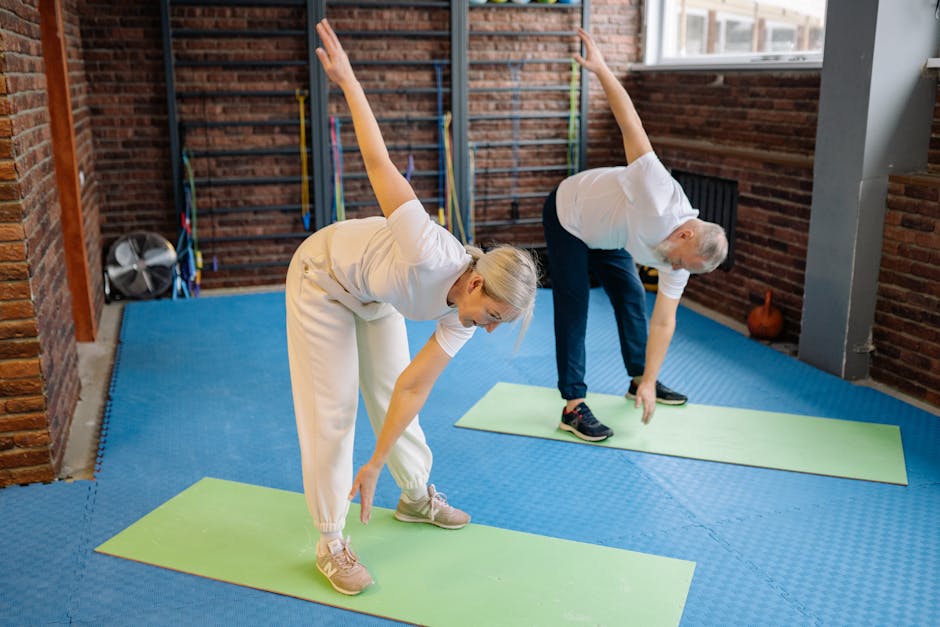
Managing osteoarthritis often involves a combination of lifestyle changes, physical therapy, and medications. For many seniors, simple adjustments can make a world of difference. Regular exercise, such as walking or swimming, can help strengthen the muscles around the joints, which in turn may support joint stability and reduce pain.
In addition to exercise, weight management plays a crucial role. Every pound lost is like taking pressure off your joints. Research suggests that even modest weight loss can lead to significant improvements in pain and function. For more specific strategies, check out this article on Lifestyle Changes to Improve Joint Mobility and Reduce Pain for Americans Over 55.
Medications and Other Treatments

Over-the-counter pain relievers like acetaminophen or nonsteroidal anti-inflammatory drugs (NSAIDs) can help alleviate arthritis pain. However, it’s crucial to use them as directed. Some people may find relief through topical treatments that can be applied directly to the skin over the painful joint.
For those with moderate to severe symptoms, a healthcare provider may recommend prescription medications or even injections of corticosteroids directly into the joint. These can provide temporary relief for inflammation and pain, allowing you to engage in daily activities with more ease.
Alternative Therapies
Many seniors explore alternative therapies to support their arthritis management. Techniques like acupuncture and massage therapy have been reported to help some individuals find relief. Additionally, supplements such as glucosamine and chondroitin sulfate are often discussed, although research on their effectiveness is mixed.
It’s essential to approach these alternative treatments with caution. Always discuss them with your healthcare provider before trying something new, as they can interact with other medications or conditions.
Living with Osteoarthritis
Living with osteoarthritis doesn’t have to mean giving up on the activities you love. Many seniors find joy in adapting their routines to accommodate their condition. This might mean taking breaks during longer activities or using supportive devices like canes and braces to help alleviate pressure on the joints.
Connecting with a support group can also make a significant difference. Sharing experiences and tips with others facing similar challenges can be incredibly beneficial. After all, you’re not alone in this journey with arthritis. Have you considered joining a local group or even an online community?
Incorporating mindfulness practices, such as yoga or meditation, can also support emotional well-being. These practices help in managing stress, which can exacerbate pain. Remember, it’s about finding what works best for you!
Always consult your doctor before starting any new supplement or exercise program. Individual results may vary.