Joint pain can be a frustrating companion as we age, and many seniors are searching for ways to ease the discomfort. This is where yoga comes into play. By incorporating gentle movements and stretches, yoga may support improved flexibility and strength, offering relief from joint pain. My neighbor told me how she started practicing yoga and has felt a noticeable difference in her mobility. If you’re curious about how yoga can help, you’re in the right place!
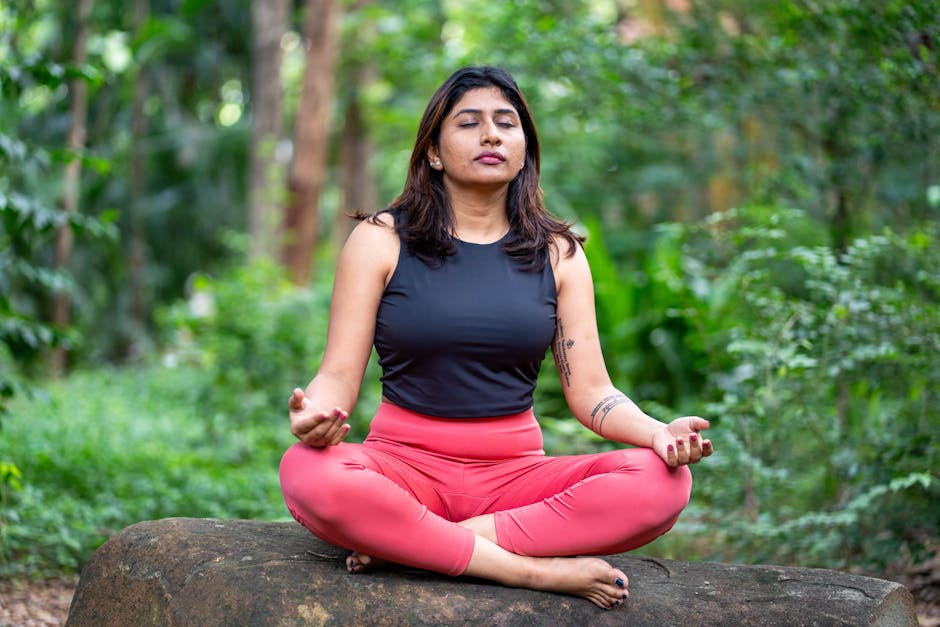
Understanding Joint Pain in Seniors
As we grow older, our bodies undergo various changes, and joint pain is one of the most common issues faced by seniors. Factors like arthritis, wear and tear, and even past injuries can contribute to discomfort. The good news is that many people report finding relief through lifestyle changes, including exercise. Yoga, in particular, can be a gentle and effective way to improve joint function. According to Mayo Clinic, understanding the causes of joint discomfort is the first step toward effective management.
Research suggests that yoga enhances blood circulation, which can help reduce inflammation around joints. This increased blood flow may alleviate some pain associated with conditions like arthritis. Additionally, yoga promotes mindfulness, allowing individuals to connect with their bodies and recognize when to ease off or push a little further during practice.
Benefits of Yoga for Alleviating Joint Pain
Yoga offers numerous benefits for seniors dealing with joint pain. First and foremost, it focuses on flexibility. Many yoga poses encourage a full range of motion, which can help keep joints limber and reduce stiffness. By practicing regularly, you might find it easier to perform daily activities without discomfort.
Strength training is another critical aspect of yoga. Poses that build strength can help support the joints better, potentially reducing the risk of injury. Additionally, yoga encourages relaxation, which can help ease muscle tension around painful joints. When your muscles are relaxed, it may lead to less strain on your joints, making it easier to move without pain.
Simple Yoga Poses to Try
Now that you know the benefits, let’s explore some gentle yoga poses designed to help with joint pain. These poses are suitable for most seniors and can be modified to fit your comfort level. Remember, it’s essential to listen to your body and not push beyond your limits.
- Cat-Cow Stretch: This pose helps improve spinal flexibility and warms up the back. Start on your hands and knees, arch your back while inhaling (Cow), and then round your back while exhaling (Cat).
- Downward-Facing Dog: A great stretch for the entire body, this pose helps elongate the spine and strengthens the arms and legs. Start on your hands and knees, tuck your toes, and lift your hips towards the ceiling.
- Child’s Pose: This restorative pose gently stretches the back and hips. Kneel on the mat, sit back on your heels, and stretch your arms forward as you lower your forehead to the ground.
Each of these poses can be held for several breaths, allowing your body to relax into the stretch. You might even want to join a local yoga class tailored for seniors or find online sessions that focus on joint pain relief.
How to Incorporate Yoga into Your Routine
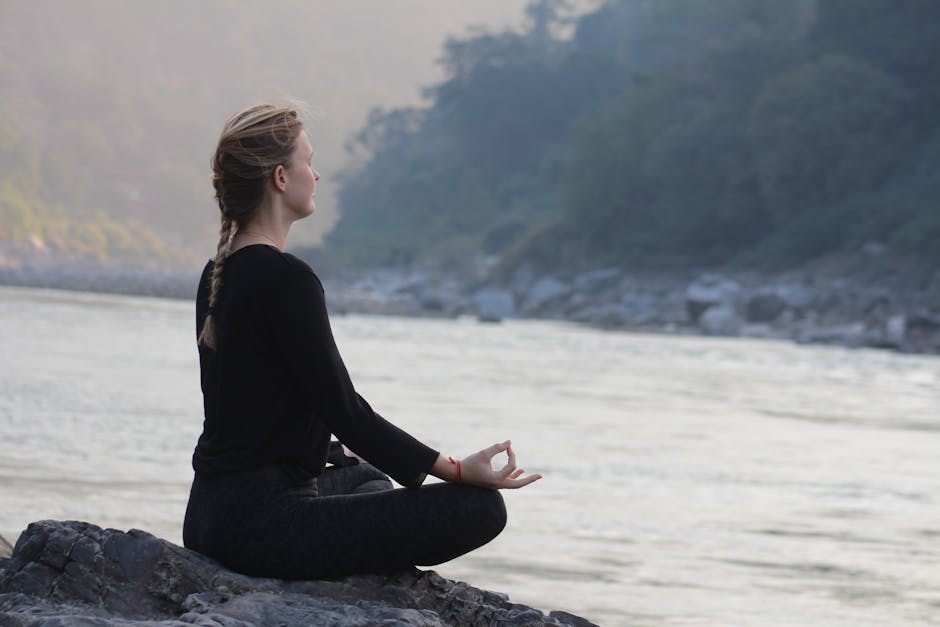
Starting a new exercise routine can feel daunting, but incorporating yoga into your daily life doesn’t have to be complicated. Begin by setting aside a specific time each day—perhaps right after breakfast or before bed. Even just 10-15 minutes can make a difference. You can also practice yoga in a comfortable setting, like your living room or backyard, where you feel relaxed.
If you’re unsure where to start, consider joining a class designed for seniors. Many community centers and local gyms offer classes that focus on gentle movements and modifications for various abilities. You could also follow along with online videos, which provide a great resource for practicing at home.
Listening to Your Body
One of the most crucial aspects of yoga is learning to listen to your body. It’s essential to pay attention to what feels good and what doesn’t. If a pose causes discomfort, don’t hesitate to modify it or skip it altogether. Yoga is about finding balance and comfort, not pushing yourself to the limit.
As you practice, you may find that some poses bring more relief than others. It’s perfectly normal to adjust your routine based on your needs. Remember, the goal is to support your body and reduce joint pain, not to create additional stress.
Additional Tips for Managing Joint Pain
While yoga can be a fantastic way to manage joint pain, incorporating other lifestyle changes can enhance its benefits. Staying hydrated is vital, as it helps keep joints lubricated. You might also consider adopting an anti-inflammatory diet, which can support overall joint health. For more on this, check out Creating an Anti-Inflammatory Lifestyle: Tips for Reducing Joint Pain in Your Golden Years.
Another helpful strategy is to maintain a healthy weight. Extra weight can put additional stress on your joints, especially in the knees and hips. Regular low-impact exercises like walking, swimming, or cycling can complement your yoga practice and improve your overall fitness.
Lastly, don’t underestimate the power of community. Joining a yoga class or a support group can provide encouragement and motivation. Sharing experiences with others facing similar challenges can be incredibly uplifting.
Always consult your doctor before starting any new supplement or exercise program. Individual results may vary.