Joint pain can be a frustrating companion as we age, but adopting an anti-inflammatory lifestyle may help alleviate some of that discomfort. Many people report significant improvements in their joint health simply by making a few changes in their daily routines. If you’re in your golden years and looking for ways to reduce joint pain, you’ve come to the right place.

Understanding Inflammation and Joint Pain
Inflammation is a natural response of the body to injury or infection, but chronic inflammation can lead to persistent joint pain and other health issues. Research suggests that certain lifestyle choices can either promote or reduce inflammation, impacting our overall well-being. By understanding how inflammation works, we can take proactive steps to manage joint pain effectively.
For instance, my neighbor told me how she noticed her joint pain worsening during times of stress. It turns out that stress can trigger inflammation in the body. By recognizing the role that inflammation plays, you can start making choices that may support better joint health.
Dietary Changes to Combat Joint Pain
One of the most effective ways to reduce joint pain is through dietary changes. Incorporating anti-inflammatory foods into your meals can be a game-changer. Foods rich in omega-3 fatty acids, such as fatty fish, walnuts, and flaxseeds, are known to help support joint health. Additionally, colorful fruits and vegetables like berries, spinach, and carrots contain antioxidants that combat inflammation.
On the flip side, it might be wise to limit processed foods, sugary snacks, and excessive salt, as these can promote inflammation. Think of your plate as a canvas—fill it with vibrant, nutrient-rich foods that may support your body and reduce joint pain. Some of these changes might feel overwhelming at first, but even small adjustments can yield significant benefits over time.
Staying Active to Ease Joint Pain
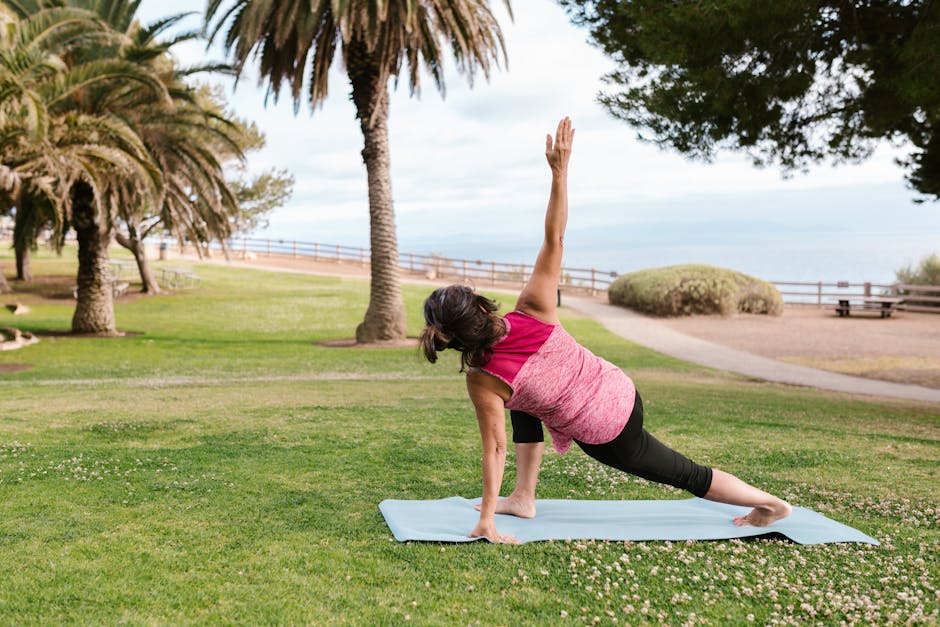
Physical activity is crucial for maintaining joint health, but it’s essential to choose the right types of exercises. Low-impact activities like swimming, cycling, and walking can help keep your joints flexible without putting too much strain on them. Many people find that gentle stretching or yoga also eases their joint pain and improves mobility.
Even if you don’t feel like exercising, consider taking short walks during the day. It doesn’t have to be a marathon—just moving your body can help reduce stiffness and improve circulation. Have you ever noticed how a quick stroll can lift your spirits? That’s the beauty of staying active!
Mindfulness and Stress Reduction Techniques
Stress plays a significant role in inflammation and joint pain. Engaging in mindfulness practices, such as meditation or deep-breathing exercises, can help you manage stress effectively. Finding a few minutes each day to focus on your breath or practice gratitude can make a noticeable difference in your overall well-being.
Incorporating relaxation techniques into your routine might feel challenging at first, but it’s worth the effort. Many people find that dedicating time to unwind helps them feel more in control of their pain. Plus, it’s a great opportunity to connect with friends or family—maybe even join a local class together!
Consulting Healthcare Professionals
While you can adopt many lifestyle changes on your own, it’s essential to consult healthcare professionals for personalized advice. A nutritionist can help you create a balanced meal plan that aligns with your anti-inflammatory goals, while a physical therapist can suggest exercises tailored to your needs. Don’t hesitate to reach out to your doctor for guidance on managing joint pain effectively.
For further information on managing joint health, consider checking out resources like Mayo Clinic. They offer valuable insights into health conditions and lifestyle choices.
Additionally, if you’re dealing with osteoarthritis, you might find this article helpful: What Is Osteoarthritis and How Can Seniors Manage Its Symptoms Effectively?
Creating an anti-inflammatory lifestyle takes time and patience, but the rewards—less joint pain and increased mobility—are worth it. Start with small changes and gradually build on them. Every step counts on this journey to better joint health.
Always consult your doctor before starting any new supplement or exercise program. Individual results may vary.