Joint pain can be a significant issue for many older adults, affecting daily activities and overall quality of life. As we age, our joints may become stiffer and more painful due to various factors, including wear and tear. Fortunately, there are several natural remedies that may support joint health and alleviate discomfort. Here are ten effective strategies you can consider.

1. Stay Active to Combat Joint Pain
Maintaining an active lifestyle is essential for managing joint pain. Regular exercise helps strengthen the muscles around your joints, providing better support. Activities like walking, swimming, or cycling can improve flexibility and reduce stiffness. My neighbor told me that after incorporating simple exercises into her daily routine, she noticed a significant reduction in her joint pain. According to Mayo Clinic, understanding the causes of joint discomfort is the first step toward effective management.
It’s crucial to start slow and choose low-impact exercises to avoid further strain. Consider consulting a physical therapist who can design a personalized exercise plan tailored to your needs. Remember, staying active doesn’t mean you have to run marathons—simple movements and stretches can make a big difference.
2. Maintain a Healthy Weight
Carrying excess weight can put additional stress on your joints, especially in the knees and hips. Reducing your body weight—even by a small amount—can help alleviate some of that pressure. A balanced diet rich in fruits, vegetables, whole grains, and lean proteins can support your weight loss efforts.
Many people report feeling lighter on their feet after making simple dietary changes. If you’re unsure where to start, consider seeking advice from a nutritionist who can guide you in creating a healthy eating plan that suits your lifestyle.
3. Explore Anti-Inflammatory Foods
Incorporating anti-inflammatory foods into your diet may help reduce joint pain. Foods such as fatty fish, nuts, olive oil, and leafy greens are known for their potential anti-inflammatory properties. These foods can support overall health and may help manage inflammation in your joints.
Remember to avoid processed foods high in sugar and unhealthy fats, as they can contribute to inflammation. Cooking at home can be a fun way to explore new recipes and focus on healthier ingredients.
4. Consider Natural Supplements for Joint Pain
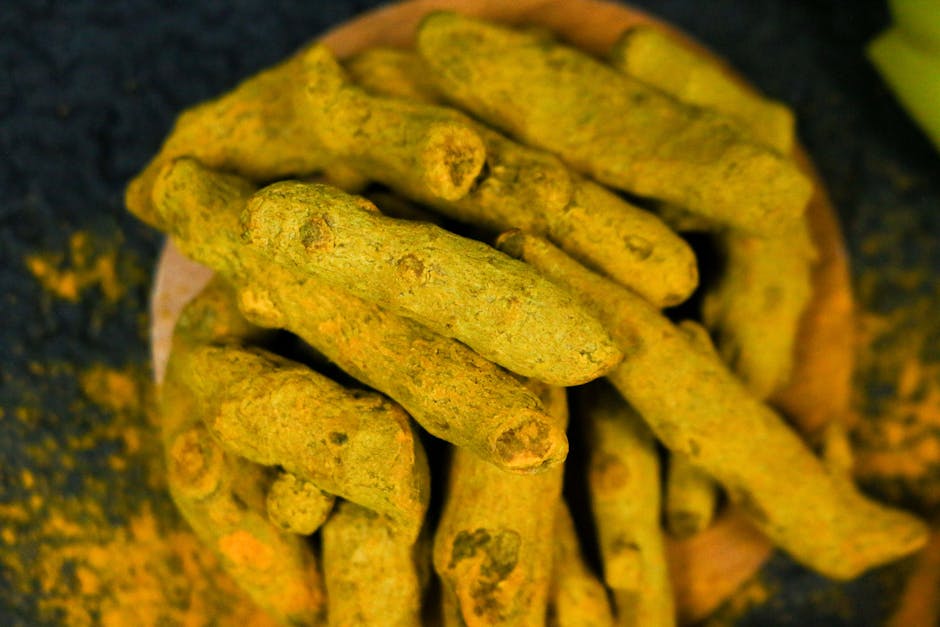
Some natural supplements may support joint health. Turmeric, for instance, contains curcumin, which is known for its anti-inflammatory properties. Omega-3 fatty acids found in fish oil can also be beneficial. However, it’s vital to consult with your doctor before starting any new supplement, as individual needs and responses can vary.
Research suggests that certain supplements may help some individuals, but results can differ. Always do your homework and choose high-quality products from reputable sources.
5. Try Heat and Cold Therapy
Using heat and cold therapy can provide temporary relief from joint pain. Heat can help relax your muscles and improve circulation, while cold therapy may reduce inflammation and numb sharp pain. You can apply a warm towel, heating pad, or ice pack to the affected areas for 15-20 minutes at a time.
Experiment with both methods to see which one works best for you. Some people find that alternating between heat and cold provides the best results. It’s an easy way to manage discomfort without any medication.
6. Engage in Gentle Stretching and Yoga
Gentle stretching and yoga can improve flexibility and strengthen the muscles around your joints. Many older adults find that regular yoga practice helps them feel more in tune with their bodies and can significantly reduce joint discomfort. Start with simple poses and stretches that focus on the areas where you feel pain.
Classes designed for seniors can provide a supportive environment where you can learn at your own pace. Plus, the mindfulness aspect of yoga might help you manage stress, which can contribute to pain sensitivity.
7. Explore Acupuncture as a Natural Joint Pain Relief
Acupuncture is another natural remedy that some older adults have found helpful for managing joint pain. This ancient practice involves inserting thin needles into specific points on the body, which may help stimulate the body’s healing processes and reduce pain.
Many people report positive experiences with acupuncture, but it’s essential to find a qualified practitioner. If you’re curious, consider asking friends or family for recommendations or researching local providers.
8. Use Essential Oils for Massage
Essential oils, like peppermint and eucalyptus, can be beneficial when used in massage. Mixing a few drops of essential oil with a carrier oil, such as coconut or almond oil, can create a soothing massage blend. Gently massaging the affected areas can promote relaxation and may help alleviate joint pain.
Be sure to do a patch test to check for any skin sensitivities before applying essential oils. This way, you can enjoy their benefits without any adverse reactions.
9. Stay Hydrated
Proper hydration is vital for joint health. Drinking enough water helps lubricate your joints and may reduce stiffness. Many people overlook the importance of hydration, but it’s a simple habit that can make a difference.
Keep a water bottle handy and aim for at least eight glasses a day. If plain water seems boring, try adding slices of lemon or cucumber for a refreshing twist.
10. Maintain a Positive Mindset
Finally, managing joint pain is as much about mental health as it is about physical well-being. A positive mindset can help you cope better with discomfort. Engage in activities that make you happy, spend time with loved ones, and practice relaxation techniques such as deep breathing or meditation.
Staying connected with friends and family can provide emotional support, making it easier to deal with the challenges of joint pain. After all, it’s not just about the body—it’s about the spirit, too.
What is Osteoarthritis? Understanding the Symptoms and Treatment Options for Seniors offers further insights into maintaining joint health.
Always consult your doctor before starting any new supplement or exercise program. Individual results may vary.